
ISO 27001 is a management system, not a collection of templates
ISO 27001 is the international standard for an information security management system, usually shortened to ISMS. The important part of that definition is “management system”. Certification is not awarded because an organisation owns a set of policies or has copied a list of controls into a spreadsheet. The standard expects the organisation to understand its context, identify the information security risks that matter to it, decide how those risks will be treated and then operate a repeatable system for checking that the decisions continue to work.
That distinction matters because it changes the implementation mindset. A good ISMS should help management make better decisions about information security. It should show what the organisation is protecting, why particular controls have been selected, who owns the work, what evidence demonstrates that controls are operating and what happens when something changes or goes wrong.
If a document or control exists only because “ISO says we need it”, ask what risk or governance purpose it serves. Understanding that purpose usually leads to a stronger and more sustainable implementation.
What certification is actually assessing
An accredited certification body typically evaluates both the design of the management system and evidence that it is operating. The certification process normally includes a Stage 1 assessment focused on readiness and documented arrangements, followed by a Stage 2 assessment that examines implementation and effectiveness in greater depth. After certification, surveillance audits continue at intervals, so the system has to remain alive rather than being prepared once and forgotten.
Auditors will look for a coherent chain between scope, risks, treatment decisions, controls, policies, operational activity, evidence, internal audit, management review and continual improvement. Individual documents matter, but the relationship between them is often more important. If the risk register says one thing while the Statement of Applicability says another, or a policy requires an activity for which no evidence exists, the weakness becomes visible quickly.
Where organisations usually underestimate the work
Many teams initially expect ISO 27001 to be primarily a documentation project. The documentation is necessary, but the harder work is often operational: agreeing ownership, making risk decisions, collecting reliable evidence, resolving exceptions and proving that governance activities such as internal audit and management review are meaningful. Certification also requires the organisation to keep these activities current as people, suppliers, systems and risks change.
This is why a structured platform can be valuable. It does not remove the need for judgement, but it can make the relationships, responsibilities and outstanding work much easier to see. The objective is to spend less time reconciling disconnected trackers and more time making the security decisions the ISMS exists to support.
Make this easier to manage in OrcaComply
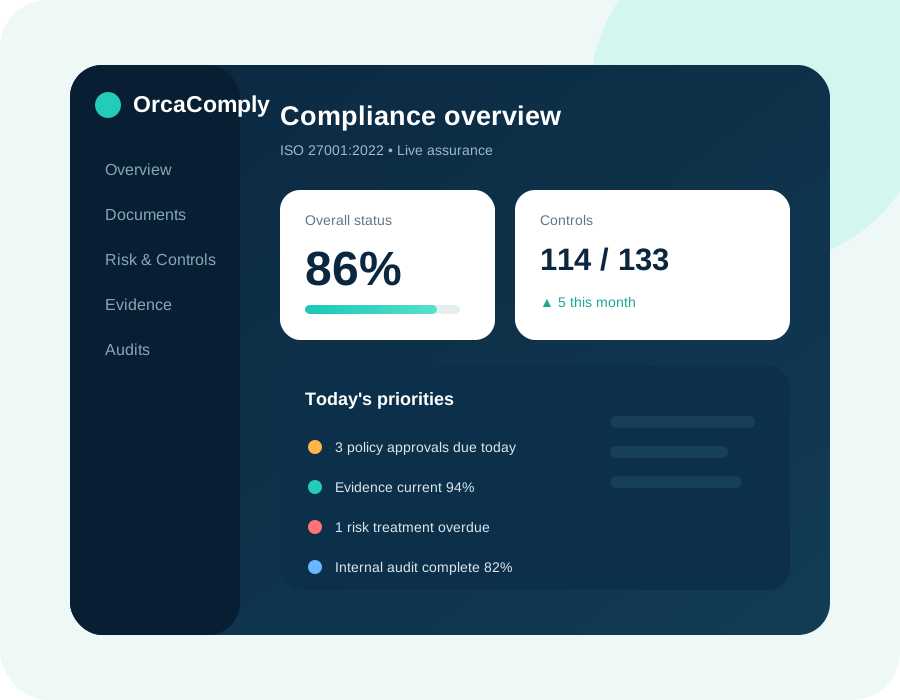
OrcaComply keeps the decisions, owners, documents, controls and evidence behind your ISMS connected so the work is easier to manage and easier to explain.
See how OrcaComply supports ISO 27001 →